
Loading...
Serving Inglewood, CA and surrounding areas. (424) 414-1138
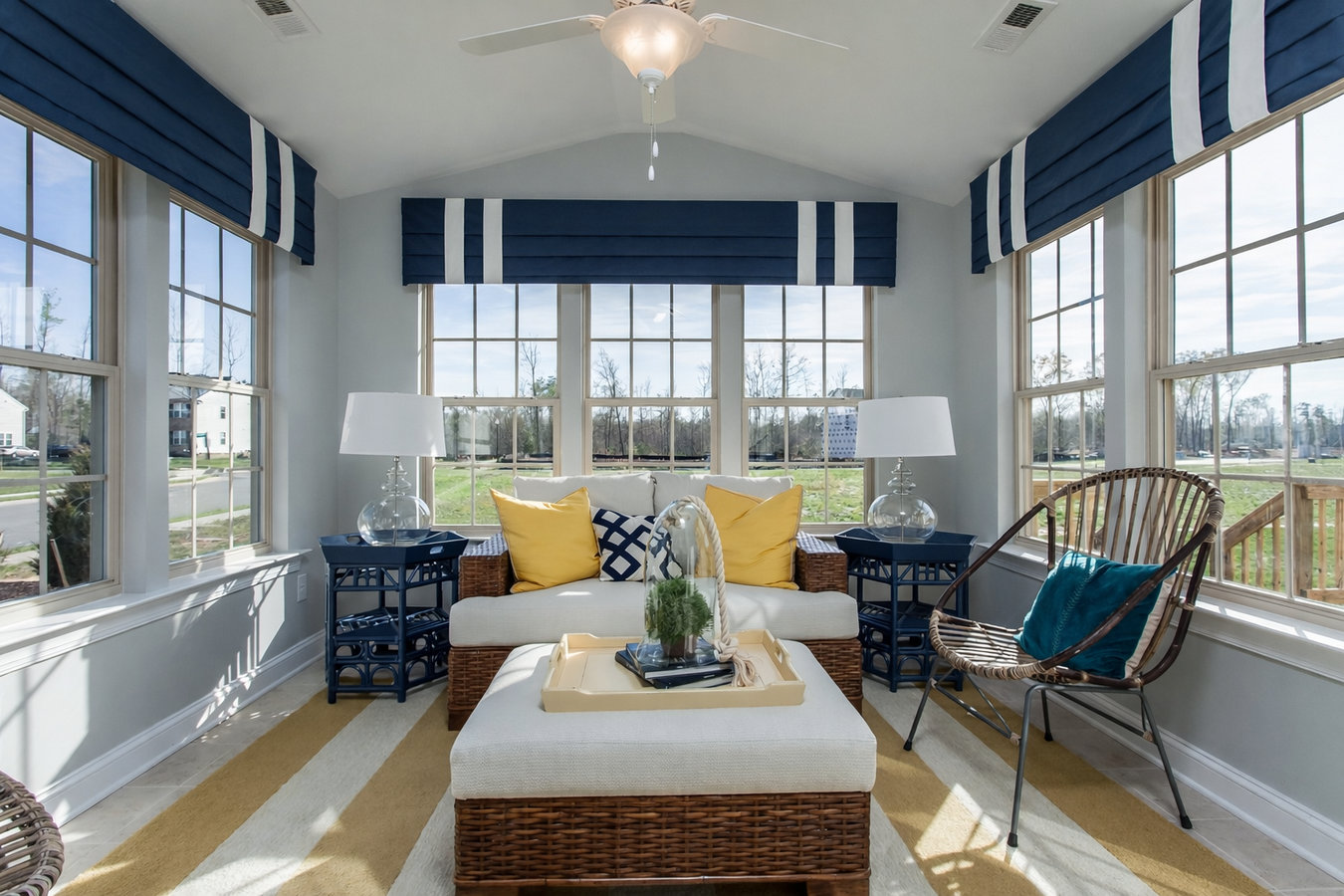
Inglewood Sunrooms & Patios serves Culver City homeowners with sunroom design, patio enclosures, and custom sunroom additions sized to fit the city's small lots and handled through the Culver City Building and Safety Division. We respond within one business day and manage every step from design to final inspection.
Culver City lots are small - often under 6,000 square feet - and that means the design phase matters more here than in more spacious suburbs. We measure carefully, account for setbacks under Culver City zoning, and plan a room that maximizes interior square footage without pushing into restricted areas. Start with our sunroom design service to see how the process works.
Many postwar bungalows in Culver City have a rear concrete slab from the original build. Enclosing that existing slab is a practical way to add a usable room without pouring a new foundation, which saves time and cost on a tight lot. We inspect the existing slab condition before recommending an enclosure approach.
Culver City's proximity to tech and entertainment employers brings a mix of long-term homeowners and newer arrivals who invest seriously in their properties. A fully insulated four season sunroom adds a climate-controlled room that functions year-round, which is especially relevant in a city where home values around $900,000 make every square foot count.
Culver City's mix of stucco bungalows, infill townhomes, and older two-story homes means there is no one-size-fits-all sunroom design. Custom rooms let us match the framing, roof pitch, and exterior finish to the existing structure so the addition looks like it belongs to the home rather than sitting in front of it.
Culver City summers are warm and dry, and afternoon shade over a rear patio makes a real difference in comfort from June through September. A solid-roof patio cover also protects the existing concrete slab from UV degradation and gives the backyard a defined outdoor room without the cost of a full enclosure. Permits go through Culver City Building and Safety.
Culver City gets the same morning marine layer that affects coastal communities to the west, and that daily moisture cycle is harder on wood frames than most homeowners realize. Vinyl frames do not absorb moisture, do not require repainting, and resist the joint movement that leads to air leaks in older wood-framed rooms - making them a lower-maintenance choice for this climate.
Culver City is an independent municipality completely surrounded by the City of Los Angeles, but it runs its own building department and follows its own permit process. That distinction matters because many contractors who work primarily in the City of LA are unfamiliar with Culver City's plan check requirements, its zoning setbacks for R-1 residential properties, and the specific energy compliance documentation that Culver City inspectors look for on room additions. A contractor who knows the Culver City permit process avoids the delays that come from submitting incomplete plans.
The housing stock adds another layer of specificity. The majority of Culver City's single-family homes were built between 1940 and 1960, when postwar suburban growth brought rows of stucco bungalows and ranch-style homes to the area. These homes are on small lots, many under 6,000 square feet, with rear yards that leave limited room for additions. The clay-heavy soils common across the Los Angeles Basin can shift seasonally, which affects how a sunroom foundation must be detailed to stay level over time. Addressing these factors at the design stage - rather than discovering them mid-construction - is what separates a smooth project from a costly one.
Our crew works throughout Culver City regularly, and we understand the local conditions that affect sunroom and patio enclosure work here. We pull permits through the Culver City Building and Safety Division and are familiar with the city's plan review timeline and inspector expectations for residential additions. Because Culver City operates independently from the City of LA, the process here has its own rhythm, and knowing it ahead of time keeps projects on schedule.
Culver City is a compact city of roughly five square miles. Most of the single-family residential work is in the neighborhoods near Washington Boulevard and Culver Boulevard, where the postwar bungalows sit on tight lots with rear yards that require careful staging. The areas near the Metro E Line stations and downtown Culver City have seen more infill condos and townhomes in recent years - these properties often have HOA-managed exteriors, which we account for during the pre-permit consultation. The Sony Pictures lot on Washington Boulevard is a well-known landmark and a useful orientation point for the city's center.
We also serve homeowners in surrounding areas. If you are looking for sunroom work in Santa Monica or in Inglewood, we work regularly in both cities and know each municipality's permit requirements.
Tell us your address, what you are hoping to build, and any timeline constraints. We respond within one business day to schedule the on-site visit - no long waits, no automated reply queues.
We measure the site, check setbacks and lot coverage under Culver City zoning, assess the existing foundation, and photograph anything relevant. You get a written estimate before any commitment. The estimate includes permit fees, which are handled separately from labor and materials.
We prepare and submit permit documents to the Culver City Building and Safety Division, typically a three to five week review period for residential additions. Construction begins after approval and runs three to six weeks for most projects - you do not need to be home for all phases, though we coordinate access in advance.
A city inspector signs off on the completed room, and we walk through the finished project with you to confirm everything meets the scope. The permitted room is then part of your home's legal description, which matters for insurance coverage and future resale.
We handle the Culver City permit process from start to finish. Call or submit the form and we will respond within one business day with next steps.
(424) 414-1138Culver City is a small, independent city of roughly five square miles completely encircled by the City of Los Angeles. Despite its compact size, it functions as its own full-service municipality with a city hall, school district, police department, and a distinct downtown anchored around Washington Boulevard and Culver Boulevard. The downtown area is known for its walkable restaurant and theater district and draws foot traffic from across the west side. The Sony Pictures Studios lot on Washington Boulevard has been a working film studio since the 1920s and is one of the most recognized landmarks in the city. Major employers including Amazon Studios and Apple TV+ have also established large campuses here, contributing to the city's growth and rising home values.
Residentially, Culver City is a mix of postwar stucco bungalows - most built in the 1940s and 1950s - and a growing stock of infill condos and townhomes that arrived in recent decades near the Metro E Line stations. The single-family neighborhoods sit on tight lots, with homes close to the street and limited rear yard space. About half of Culver City's housing units are owner-occupied, and median home values sit around $900,000 to over $1 million, reflecting both the desirable location and the ongoing demand from the city's tech and entertainment industry workforce. Homeowners considering sunroom additions in nearby El Segundo will find similar coastal conditions, while those in Hawthorne just to the south have a comparable postwar housing stock and permit environment.
Keep bugs out while letting fresh air and sunlight flow freely in.
Learn MoreConvert your existing patio into a fully enclosed sunroom space.
Learn MoreTurn your deck into a beautiful enclosed room you can use all year.
Learn MoreCall us now or submit the contact form - we respond within one business day and handle the entire Culver City permit process so you can focus on enjoying the finished room.