
Loading...
Serving Inglewood, CA and surrounding areas. (424) 414-1138
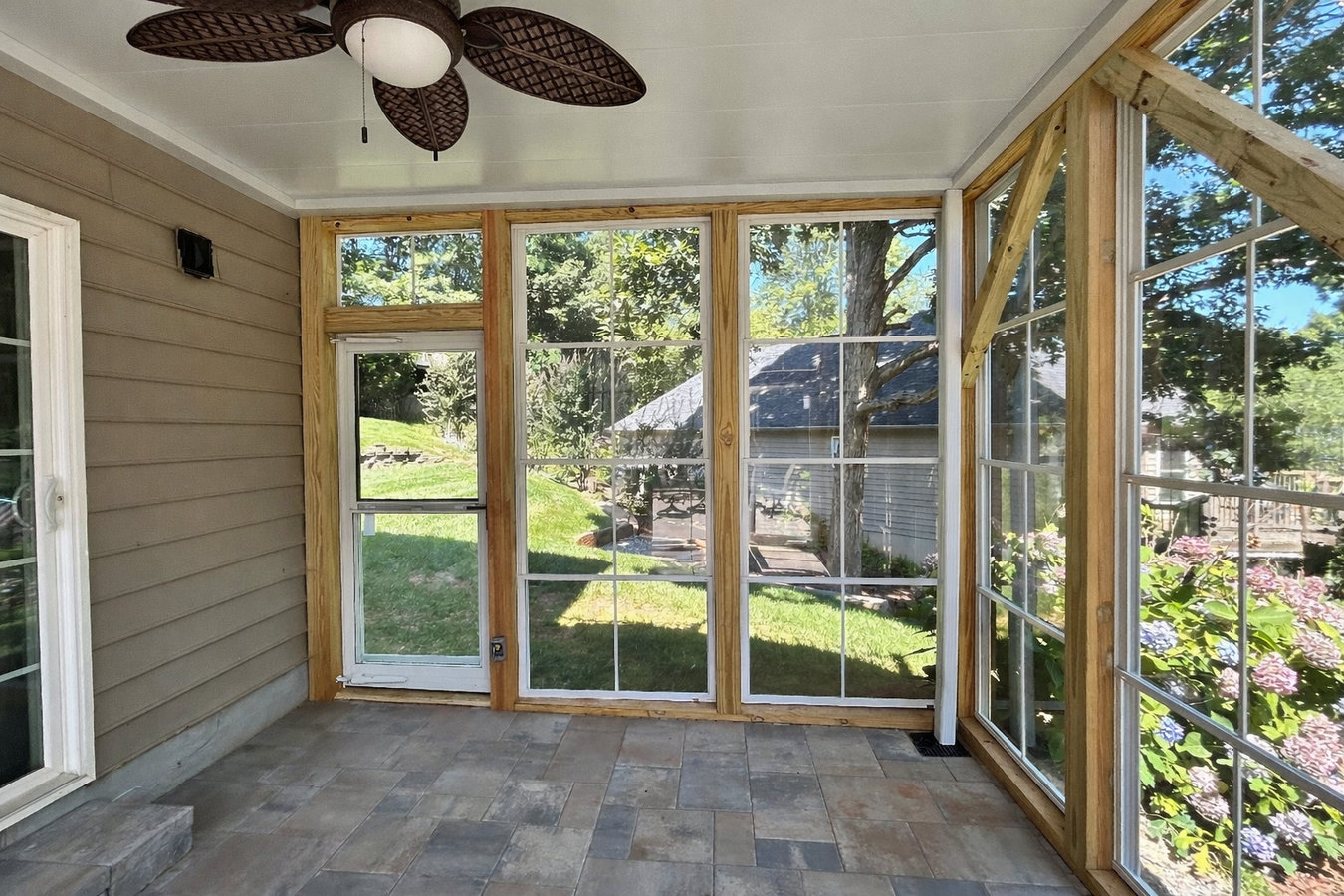
Inglewood Sunrooms & Patios serves Gardena homeowners with enclosed patio rooms, sunroom additions, and patio covers designed for the older housing stock and flat-lot properties common throughout this South Bay city. We respond within one business day and handle permits through the City of Gardena Building and Safety Division from start to finish.
Gardena homes from the 1950s and 1960s almost always have a concrete patio slab at the back - and enclosing that slab is one of the most cost-effective ways to gain usable interior space without a full addition. We assess the slab condition first so there are no surprises. Learn more about enclosed patio rooms and what the project involves.
Gardena's summer sun is intense, and a solid-roof patio cover makes the difference between a backyard you use and one you avoid from June through September. A well-anchored cover also protects the existing slab from UV degradation - a real concern on the older concrete flatwork common throughout the city.
Gardena lots are compact, but the typical single-story ranch layout often has room along a side or rear wall for a modest sunroom addition. These projects add square footage without the cost of a full home addition, and they go through the standard building permit process at the City of Gardena - a process we handle regularly.
Gardena's Mediterranean climate is mild enough to enjoy a screen room for most of the year. Screen rooms are a lower-cost alternative to a full enclosure for homeowners who want to expand their outdoor living without climate control - and they work particularly well on the smaller rear yards common in this city.
Converting an open or partially covered patio into a true patio enclosure is one of the most common projects we do in Gardena. The flat terrain here makes drainage planning critical - we design enclosures so that water moves away from the slab edge and does not cause problems near the foundation over time.
Vinyl-framed sunrooms hold up well in the South Bay's combination of intense UV and occasional marine moisture. They require less maintenance than wood frames and resist the salt-influenced air that moves in from the coast. For Gardena homeowners who want a low-maintenance room they can set up and mostly forget about, vinyl is a strong choice.
Most homes in Gardena were built between the 1940s and the 1970s. The typical property is a one-story stucco-clad ranch on a flat lot of 5,000 to 7,000 square feet. These homes were well-built for their era, but they were not designed with modern room additions in mind. Original slab foundations are common, and while they often work as a base for an enclosed patio room, they need a proper assessment before any framing begins. Stucco exterior walls require careful detailing where a new room attaches to prevent water intrusion at the transition point. A contractor who works on these homes regularly understands all of this before they write the first line of a proposal.
Gardena's flat terrain is one of the most important local factors in any outdoor project. Water does not drain naturally here - it relies entirely on grading and hardscape design. An enclosed patio room or sunroom addition that does not account for drainage will eventually cause pooling near the foundation or at the slab edge. The city's wet winters, while brief, can bring heavy rain that overwhelms poorly designed drainage in a few hours. Getting the drainage right at the design stage is not optional - it is the difference between a room that lasts for decades and one that develops moisture problems within a few years.
Our crew works throughout Gardena regularly, and we understand the local conditions that affect sunroom and patio enclosure work here. The City of Gardena Building and Safety Division handles residential addition permits, and we are familiar with the local plan check process and inspection schedule. That familiarity keeps projects moving without unnecessary delays from back-and-forth with the permit office.
Gardena is bordered by the 110 and 91 freeways, which makes it easy to reach from across the South Bay. The neighborhoods along Vermont Avenue and Western Avenue are the city's main corridors, and most of the residential streets running between them have the same postwar housing stock - single-story stucco homes on compact, flat lots. Near Rowley Park, properties tend to be well-maintained, and we see a lot of backyard improvement projects in that part of the city. The area around the Gardena Valley Japanese Cultural Institute and the historic Normandie district reflects the city's long-established community character, with homes that have seen multiple owners and multiple rounds of work over the decades.
We also serve nearby communities. If you know someone in Compton or Hawthorne who needs this kind of work, we cover those cities too.
Call or submit the contact form and tell us what you have - a rear patio slab, an open side yard, or an existing covered area. We respond within one business day and come prepared to give you useful information, not just a sales pitch.
We visit your home, look at the slab condition and drainage, check the exterior wall attachment points, and review any permit or setback factors specific to your Gardena address. You get a written estimate broken down by category so you know exactly where the money goes.
We prepare the drawings and submit to the Gardena Building and Safety Division on your behalf. Plan check typically takes two to four weeks. You do not need to contact the permit office - we handle submissions and follow-up and keep you informed throughout.
Once the permit is approved, we begin work on the slab, framing, roofing, and windows in order. The city inspector visits at required stages and signs off at completion. We walk through the finished room with you and provide all permit documents.
We serve Gardena homeowners with free on-site estimates, no-pressure quotes, and permit handling included. Call or submit the form and we respond within one business day.
(424) 414-1138Gardena is a small city of about 60,000 residents in the South Bay area of Los Angeles County, covering just under 6 square miles. The city is almost entirely built out, with a dense mix of single-family homes and small apartment buildings on compact, flat lots. Most of the residential housing dates from the postwar boom between 1940 and 1970 - the same era that shaped much of the surrounding South Bay. Gardena has long been home to a diverse community, including one of the largest Japanese American populations in Southern California, centered around institutions like the Gardena Valley Japanese Cultural Institute. The city is known regionally as a historic hub for card clubs, anchored by landmarks like the Normandie Casino on Vermont Avenue.
The residential neighborhoods running between Vermont and Western Avenues are quiet and well-established, with families who have owned their homes for decades. Rowley Park, near the center of the city, is a gathering point for the community and sits surrounded by some of Gardena's most carefully maintained blocks. The 110 and 91 freeways frame the city's edges, making Gardena easy to reach from Torrance, Hawthorne, Compton, and central Los Angeles. Homeowners here have real equity in properties that have appreciated sharply, and many are choosing to invest in outdoor improvements rather than move. If you are considering a project in Gardena or in a neighboring city like Torrance or Carson, we serve those areas as well.
Keep bugs out while letting fresh air and sunlight flow freely in.
Learn MoreConvert your existing patio into a fully enclosed sunroom space.
Learn MoreTurn your deck into a beautiful enclosed room you can use all year.
Learn MoreCall today for a free on-site estimate. We know Gardena's older homes, local permit process, and flat-lot drainage challenges - and we are ready to put that knowledge to work on your project.